
Unlocking Creativity: Must-Have Filmmaking Gear
Filmmaking is an art that allows us to express our stories, ideas, and visions. With the right gear, you can unlock your creativity and take your films to the next level. In this blog, we will explore essential filmmaking equipment that can help you bring your cinematic dreams to life. Whether you're a seasoned filmmaker or just getting started, having the right tools can make all the difference.
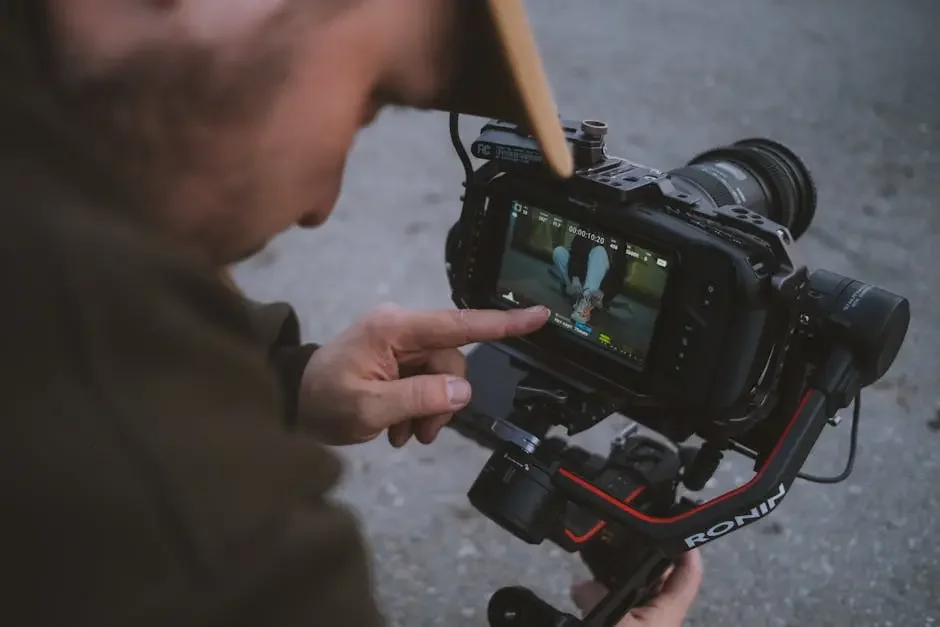
Key Camera Choices for Filmmakers
Choosing the right camera is pivotal for any filmmaker. We'll break down the differences between DSLRs, mirrorless cameras, and cinema cameras, so you can decide what suits your style best.
Now, let's delve a bit deeper into these options. DSLRs are great for versatility and ease of use, making them perfect for budding filmmakers who want to get started without a steep learning curve. On the other hand, mirrorless cameras are gaining popularity due to their compact size and advanced technology. They often offer faster shooting speeds and superior video quality, which can really enhance your filmmaking capabilities.
If you're venturing into high-end filmmaking, cinema cameras might be the way to go. These are designed specifically for shooting films and have features like high dynamic range, robust audio inputs, and professional video codecs. While the initial investment may be higher, the results are often worth the expense for serious filmmakers interested in quality storytelling.
Whichever camera you choose, remember that it's not just about the gear; it’s about how you use it. Understanding your camera's settings and capabilities can help you unlock its full potential and bring your creative ideas to life.
Essential Lenses to Elevate Your Shots
Lenses have a tremendous impact on the aesthetics of your film. From prime to zoom lenses, we will discuss which lenses are must-haves in your filmmaking toolkit.
When it comes to lenses, two categories often dominate the discussion: prime lenses and zoom lenses. Prime lenses, with their fixed focal lengths, are loved for their sharpness and ability to perform well in low light. They allow you to focus on composition and encourage creativity by forcing you to physically move around to frame your shots.
Conversely, zoom lenses offer versatility, letting you adjust your focal length on-the-fly. This can be a game-changer in dynamic shooting environments where you need to adapt quickly. Imagine capturing a spontaneous moment without the hassle of switching lenses!
A balanced lens kit often includes a quality wide-angle lens for landscapes or establishing shots, a standard lens for general use, and a telephoto lens for capturing details from a distance. Each lens serves a unique purpose, shaping the visual story you wish to tell.
Lighting Gear That Makes a Difference
Good lighting is crucial for setting the mood in your film. Explore essential lighting equipment, including softboxes, reflectors, and LED lights, that can help you achieve that cinematic look.
Lighting often distinguishes professional work from amateur films. Softboxes, for example, create soft, diffused light that minimizes harsh shadows, producing a more flattering look for subjects. They're essential for interviews or any scene where you want a natural appearance.
Reflectors can also be invaluable tools. By bouncing available light onto your subject, you can brighten up dark areas without introducing artificial sources. This is particularly useful during outdoor shoots, where you have to work with natural light.
Finally, let's not forget about LED lights. These lights are energy-efficient and allow for extensive customization regarding brightness and color temperature. Whether you're lighting a cramped interior space or a vast outdoor scene, having portable and adjustable lights can significantly improve your film's aesthetic.
Audio Equipment for Professional Sound
Don’t overlook audio in your filmmaking! We’ll cover essential microphones and recording devices that ensure your sound quality is as polished as your visuals.
The phrase 'sound is half the picture' holds a lot of truth in filmmaking. To achieve professional sound, it’s crucial to invest in a quality microphone. Options like shotgun microphones are perfect for capturing directional sound, while lavalier mics are ideal for interviewing subjects without intrusive setups.
In addition to microphones, audio recorders are essential for capturing high-quality sound. They allow you to bypass the camera's built-in audio system, which often lacks clarity and depth. Look for recorders that can handle multiple audio inputs to give you flexibility during shoots.
Finally, always consider using windshields for outdoor shoots to minimize wind noise. Unexpected sounds can disrupt your footage; hence, investing in good audio gear is non-negotiable for maintaining a professional level of film production.
Tripods and Stabilizers for Steady Shots
Stability is key in filmmaking. Learn about the different types of tripods and stabilizers, like gimbals, that can help you achieve smooth, professional-looking shots.
The difference between a shaky home video and a polished film often comes down to how steady your shots are. Tripods provide a solid base, allowing you to capture fluid pans and tilts without the risk of unwanted motion. Invest in a tripod that suits your shooting style, whether you need something lightweight for portability or a heavier model for stability.
For dynamic shots, gimbals are fantastic tools that offer electronic stabilization. They counteract unwanted movements while you walk or run, making them invaluable for action scenes or creative camera movements. The freedom a gimbal offers can inspire a multitude of creative shots that elevate your storytelling.
In conclusion, having a range of stabilization tools at your disposal not only enhances your filmmaking quality but also opens up creative avenues to explore. Remember, the smoothness of your shots will keep your audience engaged.
Editing Software: The Final Touch to Your Film
Once filming is complete, editing is where the magic happens. We’ll go through popular editing software options and how to choose the best one for your workflow.
Editing is indeed the final frontier of filmmaking—where everything comes together to tell your story. Software options vary widely, from basic tools like iMovie for beginners to sophisticated programs like Adobe Premiere Pro or Final Cut Pro for advanced users. The choice often depends on your experience level and the complexity of your projects.
A good editing program allows you to trim, splice, and arrange footage seamlessly. Most also offer features such as color correction, audio mixing, and effects to refine your film's overall look. Spend some time experimenting with a few different platforms to find the one that feels right for you.
Don't forget the importance of plug-ins and additional tools that can expand your editing capabilities. These can enhance your workflow and help you achieve unique visual styles that grab your audience’s attention. Remember, editing is where you truly shape your narrative.
Harnessing Your Creativity with the Right Tools
Investing in the right filmmaking gear is not just about the equipment; it's about enhancing your creative potential and storytelling capability. With these essentials in hand, you'll be well-equipped to pursue your passion and produce captivating films that resonate with your audience. Remember, the best gear is the one that empowers you to tell your story.